Current Location: Blog >
American server
1. introduction
with the development of the internet, the demand for home broadband servers has gradually increased. whether it is used for home entertainment, online gaming or remote working, choosing the right server is particularly important. in the united states, there are many types of servers to choose from on the market. this article will explore in detail the selection and configuration guidelines for home broadband servers.2. overview of server types
when choosing a home broadband server, you first need to understand the different types of servers. here are a few common server types:- physical server: suitable for users with higher performance requirements.
- virtual private server (vps): highly cost-effective, suitable for small and medium-sized home users.
- cloud server: highly flexible and supports elastic expansion.
- shared hosting: good for beginners and lowest cost.
3. key factors in choosing a server
when choosing the right home broadband server, there are several key factors to consider:- bandwidth: the size of the bandwidth directly affects the data transmission speed. it is recommended to choose a broadband service above 100mbps.
- hardware configuration: cpu, memory and storage space all need to be selected according to actual needs.
- security: make sure the server has security measures such as firewalls and data encryption.
- technical support: choose a vendor that offers good customer service and technical support.
- cost: choose the best performing server within your budget.
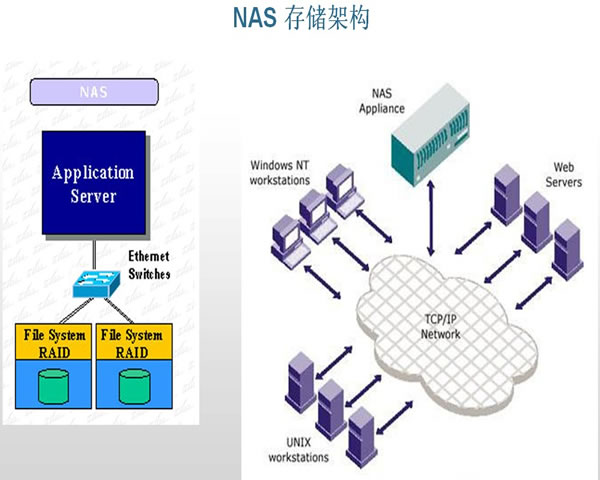
4. server configuration example
to better understand how to configure a home broadband server, here is a real configuration example:| configuration items | specification |
|---|---|
| cpu | intel core i5 |
| memory | 16gb ddr4 |
| storage | 512gb ssd |
| operating system | windows server 2019 |
| bandwidth | 100mbps |
5. real case analysis
let's look at a real case to better understand the configuration and selection of home broadband servers. a user in california considered that his family members often play online games and play high-definition videos when choosing a home server.- he chose a server configured with an intel core i7, 32gb of memory, and a 1tb ssd.
- to ensure a smooth network experience, he chose fiber optic broadband service with a bandwidth of 300mbps.
- he also purchased a high-performance router to improve the stability of his home network.
- the user said that such a configuration has greatly improved the home network experience, and the game delay has been reduced to 20ms.
6. server maintenance and management
after choosing a server, regular maintenance and management are equally important. here are some maintenance suggestions:- regularly update operating systems and applications to ensure security.
- monitor server performance and promptly adjust configurations to meet needs.
- back up important data to prevent data loss.
- check your network connection regularly to ensure your bandwidth is stable.
- use security software to protect your server from viruses and hackers.
7. conclusion
selecting and configuring a home broadband server in the united states requires consideration of a variety of factors, including server type, configuration, real-world use cases, and maintenance methods. through reasonable selection and configuration, home users can obtain a stable and efficient network experience. we hope this guide can provide you with valuable reference when choosing a home broadband server.- Latest articles
- Developer Faq: Tuning Skills In Huawei Cloud Singapore Cn2 Environment
- Practical Instructions For Malaysia Vps Host Bandwidth Billing And Traffic Control
- Physical Security And Compliance Measures In Taiwan’s Computer Room Server Cloud Space Need To Be Focused On
- Comparatively Analyze Different Solutions To Evaluate The Cost-effectiveness Of What Japanese Native Ip Can Do
- Comparison Of After-sales Service And Failure Response Time Helps Determine The Reliability Of The Korean Cloud Server Rental Platform
- From Contract To Delivery, A Detailed Explanation Of The Project Management Process Of Joji Nakata (japanese Server)
- Analysis Of The Geographical Acceleration And Compliance Advantages Brought By Native Ip Deployment In Taiwan
- Sellers’ Experience Discusses The Best Practices For Dealing With Slow-moving Items In Amazon Japan’s Clearance Group
- Teach You To Build A Highly Available Japanese Cn2 Ss Node And Monitor The Connection Quality
- Actual Test Of Bandwidth Protection And Anti-attack Capabilities Of Korean High-defense Servers
- Popular tags
Technical Characteristics
Network Quality
Enterprise Use
Ip Geolocation
Price Analysis
Malaysia CN2VPS
Mobile Phone Server
Pdpa Compliance
Use Value
Network Dynamics
VPS Service
Cloud Server Hosting
Summary
Routing Optimization
Optimization Suggestions
Access Control Policy
Network Analysis
Vps Comparison
Vps Latency Problem
E-commerce Server
Best Team Team
Vps Recommendations
Website Speed
Vps Security
Technology Dynamics
Business Efficiency
Selection Criteria
Cloud Computing
Distributed Deployment
Migration Steps
Related Articles
-

Analysis Of The Process And Precautions For Renting American High Defense Servers
this article analyzes the rental process and precautions of the us high defense server, and helps you choose the most suitable high defense server. -

Enterprise Deployment Reference Ea Us Server Data Center And Bandwidth Information
ea us server deployment reference for enterprises: common us data center locations, bandwidth types and specifications, selection recommendations, cost-effective analysis and optimization guide, helping enterprises deploy low-latency, high-availability server architecture in north america. -

Is The Advantages Of American High-defense Hen Server Suitable For Enterprises?
discuss the advantages of american high-defense hen servers and whether they are suitable for enterprises.